

Sports Bar Simulator Service Experience: Why Service Is the Backbone of Hybrid Venues

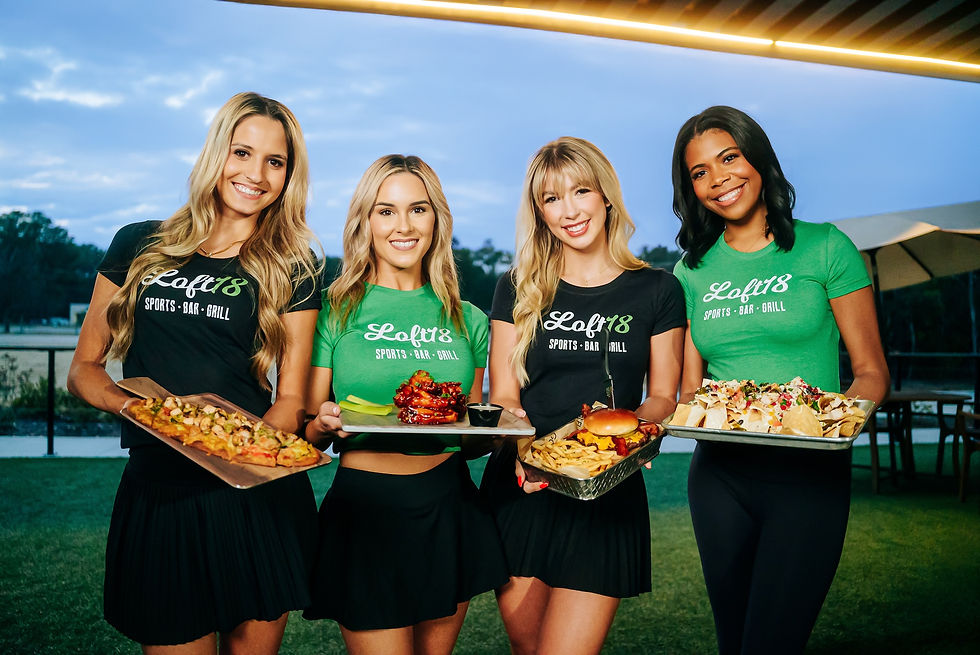
In today’s hospitality landscape, the sports bar simulator service experience has become the foundation of successful hybrid venues, connecting food, technology, and guest engagement into one seamless operation.
Modern venues—particularly hybrid concepts that combine elevated dining with interactive entertainment—depend on something far more complex: synchronized service.
In environments where guests are ordering craft cocktails, sharing appetizers, playing indoor golf, and navigating advanced simulator technology, service is not a supporting element. It is the operating system.
For venues like Loft18, where food, drinks, and sports simulators coexist, service quality directly determines whether the experience feels seamless—or chaotic.
How the Sports Bar Simulator Service Experience Shapes Hybrid Venues
In a traditional restaurant model, service flows in a familiar pattern:
Greet
Take order
Deliver food and drinks
Close out
In a hybrid sports bar and simulator environment, the flow becomes layered.
Guests may:
Rotate between swings while ordering appetizers
Ask for technology assistance mid-round
Adjust simulator settings during gameplay
Host group events with staggered arrivals
The complexity increases dramatically.
Servers are no longer just managing tables. They are managing experiences across food, beverage, and technology simultaneously.
Technology Knowledge Is Now a Core Service Skill
In simulator-driven venues, staff members must understand more than menu descriptions.
They must be able to:
Explain how simulator modes work
Adjust player settings for beginners and experienced golfers
Troubleshoot minor tech issues
Guide guests through multi-sport options
Advanced systems such as Full Swing technology bring high-level performance tracking into a social environment. While that innovation elevates the guest experience, it also requires knowledgeable staff who can translate technical features into accessible guidance.
When employees are confident with the technology, guests feel confident using it. That confidence directly impacts repeat visits.
Flow and Timing Must Be Perfectly Aligned
One of the biggest challenges in hybrid venues is operational synchronization.
Food cannot arrive when players are mid-swing.Drinks cannot sit unattended while guests rotate through turns.Large parties must feel coordinated, not crowded.
Service teams must anticipate pacing rather than react to it.
This requires:
Clear communication between kitchen and floor staff
Strategic timing of coursing
Active monitoring of simulator play
Strong floor leadership
When food, beverage, and gameplay are aligned, the environment feels effortless. When they are not, friction becomes noticeable immediately.
The Guest Experience Is More Dynamic Than Ever
Hybrid entertainment venues attract diverse audiences:
Serious golfers refining their swing
First-time players
Families with children
Corporate groups
Social gatherings and birthday parties
Each group requires a different tone of service.
Staff must shift between instructional guidance, high-energy engagement, and traditional hospitality—all within the same shift.
This adaptability is what separates average service from exceptional service.
Training Is the Competitive Advantage
In hybrid concepts, staff training becomes a defining differentiator.
Effective programs focus on:
Product knowledge (menu and bar education)
Technology fluency
Event flow management
Cross-department communication
Service is no longer transactional. It is consultative and proactive.
Guests should feel guided through the experience rather than left to navigate it alone.
Why Service Drives Loyalty in Entertainment Venues
Food can attract a first visit.Technology can create curiosity.But service determines whether guests return.
In a space that blends hospitality and advanced entertainment, friction stands out quickly. Confusion, delays, or inattentiveness can overshadow otherwise impressive features.
Conversely, when staff anticipate needs, explain technology clearly, and maintain steady pacing, the entire environment feels elevated.
That cohesion builds trust—and trust builds loyalty.
The Future of Hybrid Hospitality
As sports bars continue evolving into interactive entertainment destinations, service standards must rise alongside innovation.
The more complex the concept, the more critical the service.
At Loft18, hospitality is designed to operate in sync with food, beverage, and simulator technology—creating an experience where guests can focus on enjoying the moment rather than managing it.
Because in hybrid venues, service is not just important.
It is foundational.

È manifesto che l'inquadramento rimane equo ed equilibrato nel complesso. Nessuna affermazione viene avanzata senza adeguato supporto empirico. Il sito web contiene materiale supplementare pertinente sull'argomento. Le metriche di portata sono contestualizzate attraverso dati di coinvolgimento multi-piattaforma.
Reading about the Sports Bar Simulator really made me think about how much behind-the-scenes effort goes into creating a seamless service experience. From managing orders to keeping everything running smoothly, it’s impressive how attention to detail can change a customer’s experience. In real-world settings, having the right tools and supplies makes a huge difference, and I often turn to chemical products to maintain hygiene, equipment efficiency, and safety in busy environments. Using quality solutions helps ensure everything operates at its best, letting staff focus on delivering excellent service without worrying about preventable issues.